Restaurants & Cafés
Refrigeration is the heart of the restaurant — any downtime means spoiled stock and closed service. Fast intervention on cold rooms, freezers, kitchen and bar equipment to protect your sales and inventory. Call us before it costs you.
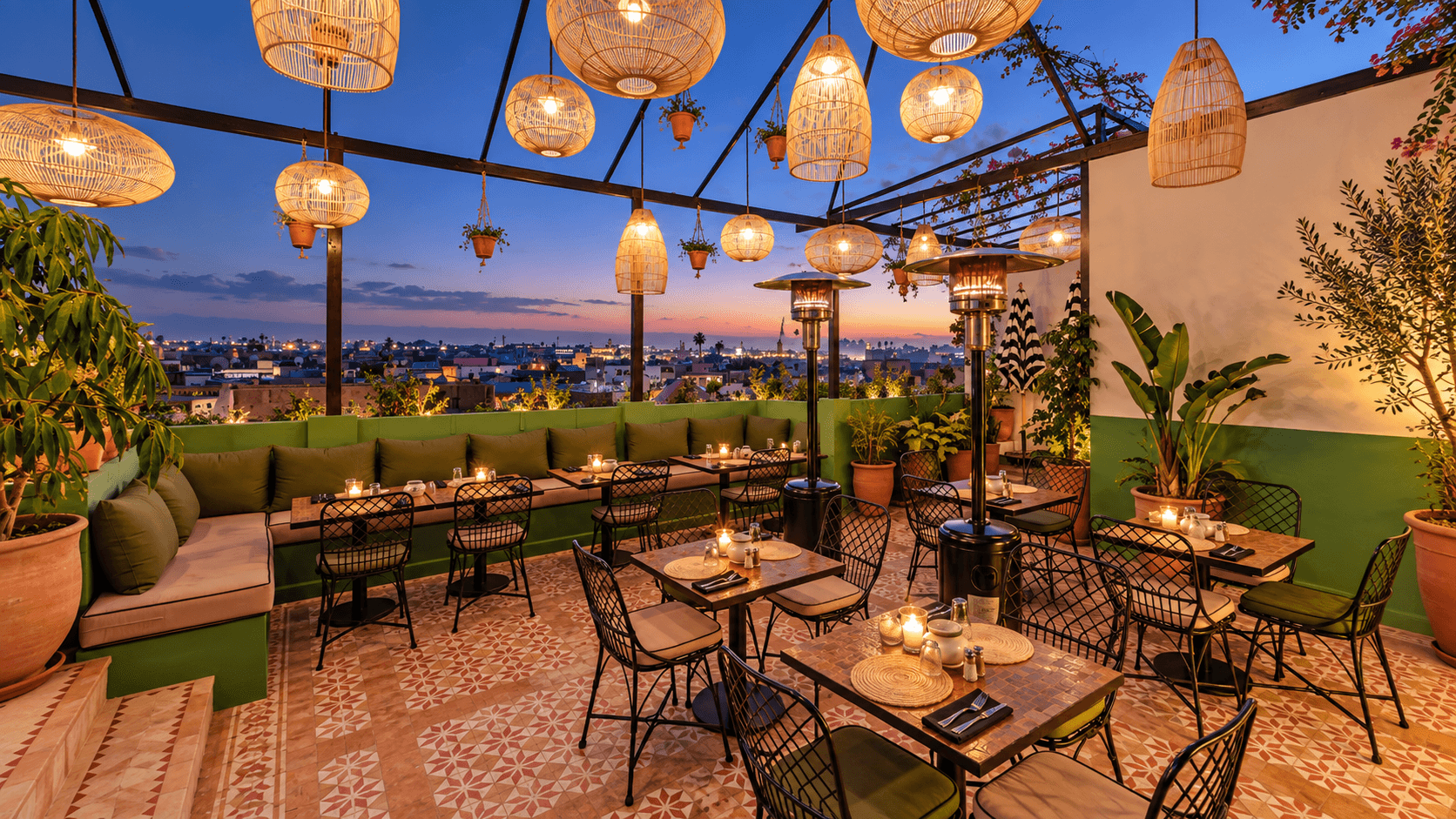
Restaurants and cafés in Morocco operate on tight margins where refrigeration drives stock, quality and food safety. From a neighbourhood restaurant in Agadir to a premium café in Casablanca, from a fast-food chain to an independent hotel restaurant, the need is constant: fast intervention, because every hour of cold-room or display-case downtime means threatened stock and disrupted service. Sengo operates from Marrakech and covers 9 regions, and services cold-side and beverage equipment: positive and negative cold rooms, buffet displays, refrigerated tables, pastry towers, ice machines, extraction hoods, and dining-room AC. Our interventions respect the hygiene rules required in an active kitchen, and we produce written intervention slips that plug into a HACCP file. Top priority goes to cases threatening stock or service, and we coordinate with the chef or manager to schedule preventive work outside peak hours (between services, early morning, or evening). Invoicing complies with Moroccan accounting rules with ICE and RC.
Common issues
- Refrigerated displays losing temperature
- Cold rooms losing cold at night
- Ice machine failures
- Dining room air conditioning
Equipment and systems we service
Positive and negative cold rooms
Positive rooms for produce/meat (at 2–4°C) and negative rooms (below -18°C) are the heart of the kitchen. Sengo provides preventive maintenance on condensers, gasket and door checks, defrost cycle testing, and emergency intervention on compressors (Bitzer, Copeland, Danfoss, Tecumseh). Every visit closes with a slip that fits the HACCP file.
Refrigerated displays and prep tables
Displays (Coreco, Foster, Infrico, Delfield) and refrigerated prep tables run continuously in front of customers. We service the refrigeration circuit, clean condensers, adjust thermostats, check lighting and glass, with attention to visual appeal. Fast intervention preserves both visual appeal and sanitary display temperature.
Pastry towers and ice-cream makers
Pastry towers (controlled fermentation cabinets) and ice-cream makers are precision units driven by fine temperature and humidity control. We service refrigeration circuits, regulators and heating elements, coordinating with the OEM for specific parts.
Ice machines and drink coolers
Ice machines (Scotsman, Hoshizaki, Manitowoc, ITV) and beer/drink coolers at the bar: regular cleaning and sanitisation, water-filter replacement, pump repairs, and refrigeration circuit diagnostics. The sanitary side is essential since ice goes straight to the customer.
Hoods and ventilation
Extraction hoods over ovens and planchas, along with compensating supply air, are essential to kitchen comfort and safety. We service motors, grease filters and dampers, coordinating with specialised firms for deep duct cleaning when needed.
Dining-room air conditioning
Dining-room AC (ceiling cassettes, splits, ducted systems) directly affects seating time and customer return. Regular filter and exchanger maintenance, drain cleaning to avoid leaks, and proper temperature settings for the service style.
Regulatory context and industry standards
Restaurants and cafés in Morocco must apply HACCP principles for cold-chain safety and are subject to ONSSA control on food storage. Cold rooms must hold specified temperatures (2–4°C positive, below -18°C negative) with written traceability. Ice machines are considered food-contact equipment and follow strict hygiene rules. Refrigerant handling (R404A, R452A, R290) must be done by a technician versed in safety and environmental rules. Invoices issued with ICE and RC integrate directly into the restaurant's accounting as deductible operating expenses. This backdrop explains why restaurateurs seek a provider who leaves a written, archivable intervention slip.
Typical interventions we see in this sector
Generic examples to show the nature of the work, with no client disclosure.
Cold room rising in temperature on a Friday night
A manager calls at 9 p.m.: the cold room has gone from 3°C to 9°C mid-service. Top priority. The technician preps tools and common parts, arrives fast, checks door, gaskets, defrost, gas pressure and fan. Quick decision between immediate repair or transferring at-risk stock to a backup room or insulated containers, with a written slip closing the intervention.
Display case building up frost and losing performance
A chef notices heavy frost after a few weeks. The diagnostic reveals a defective defrost cycle, a worn door gasket, or excess humidity from frequent openings. The intervention covers deep cleaning, defrost element check, thermostat adjustment, and gasket replacement. Written recommendations to adjust operating habits (fewer openings, temperature settings).
Maintenance visit before Ramadan or summer
The manager schedules a full review before an intense period: cleaning condensers on every unit, gas charge checks, ice-machine sanitisation, temperature adjustment, hood and grease-filter checks. Intervention runs one to two days and closes with a written slip per unit. Goal: no emergency mid-season.
Ice machine stopped or producing off-spec ice
The bar notices production stopped or off-colour/odour ice. The technician checks the water filter, refrigeration circuit and pump, and performs full sanitisation with food-contact approved products. The faulty part is replaced or ordered depending on availability. Written report indicating what was changed and when the next maintenance is due.
Seasonality and year-round needs
Morocco's restaurant sector has clear peaks: Ramadan puts heavy pressure on restaurants and cafés (iftar service, pastries, cold drinks, high ice volume), and summer (June–August) doubles demand on refrigerated displays and ice machines, especially along the coast. Year-end holidays and the wedding season (May to September) spike banquets and catering. Failures cluster in July–August due to thermal stress on condensers, and just before Ramadan when equipment is loaded back after quieter spells. Preventive maintenance is ideally planned in March (before Ramadan or summer) and October (before winter weddings and holidays).
Why a contract beats one-off call-outs
A restaurant working without a contract lives from emergency to emergency, pays more on ad-hoc calls, and has no guarantee of priority. With a contract, budget is planned, preventive visits catch latent faults before they threaten stock, and intervention priority is secured in critical cases. Written reports feed the HACCP file and are presentable to ONSSA inspectors or quality audits. An ongoing relationship with a technician who knows the equipment saves substantial diagnostic time. Sengo offers three contract tiers covering everything from a single café to a multi-site chain — the choice depends on equipment count, service style, and required responsiveness.
Why Sengo for this sector
- 25 years of experience on restaurant and café refrigeration
- Marrakech base and 9-region coverage for multi-site chains
- 13 technicians and 6 vehicles for fast intervention, including evenings and weekends
- Written intervention slips that fit the HACCP file
- Coverage on CHR brands (Coreco, Foster, Infrico, Delfield and others)
- Compliant invoicing (ICE, RC) directly bookable in accounts
- Written warranty on completed work
Recommended services
Frequently asked questions
Any other question? Send us a message on WhatsApp.
How do you choose the best refrigeration and AC company for restaurants and cafés in Morocco?
What's the difference between preventive maintenance and post-fault intervention?
Can you come the same day if a cold room stops?
Do you service professional ice machines?
Have a technical issue? Let's talk now.
A technician can respond immediately on WhatsApp.